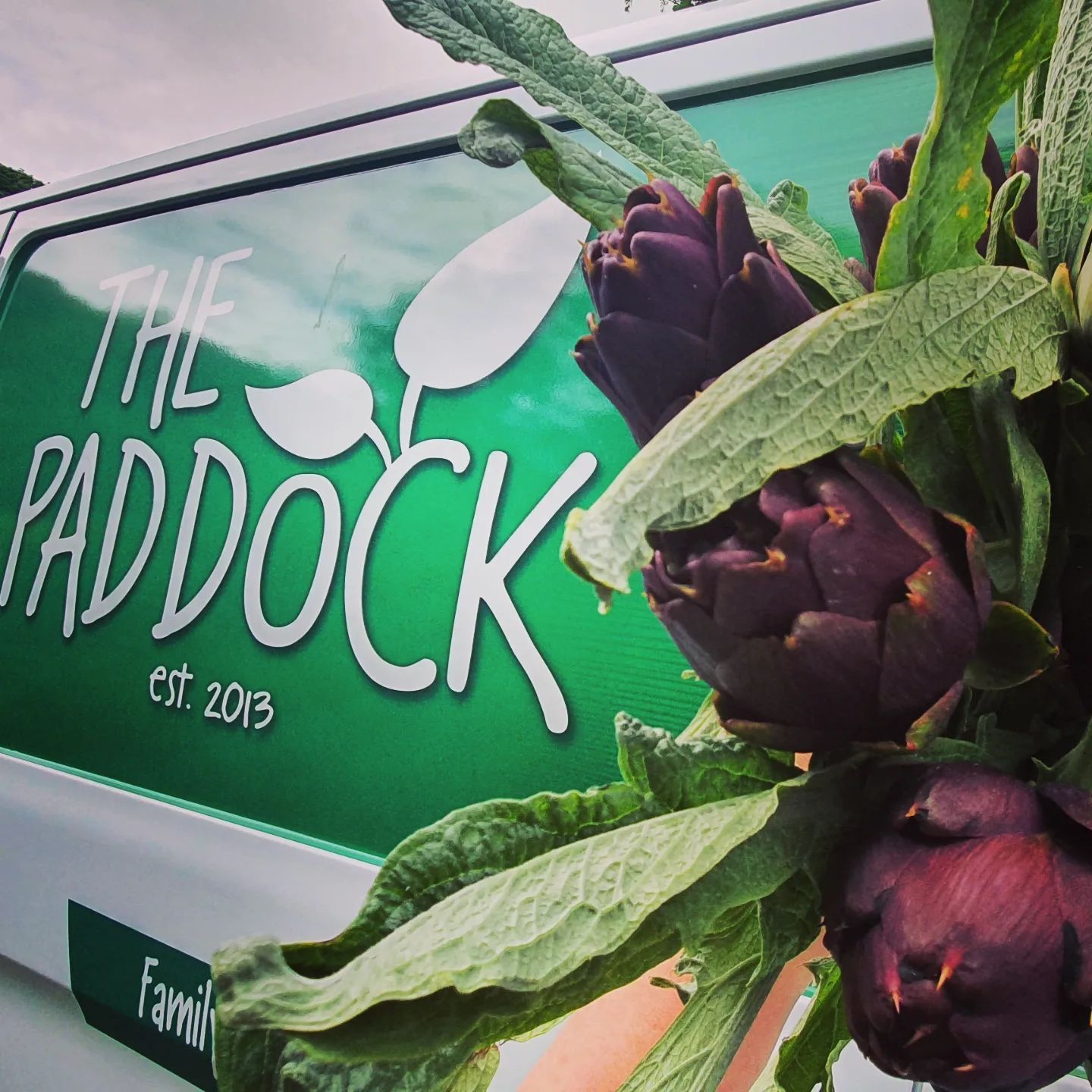
Laura's Love of Growing Globe Artichokes at The Paddock
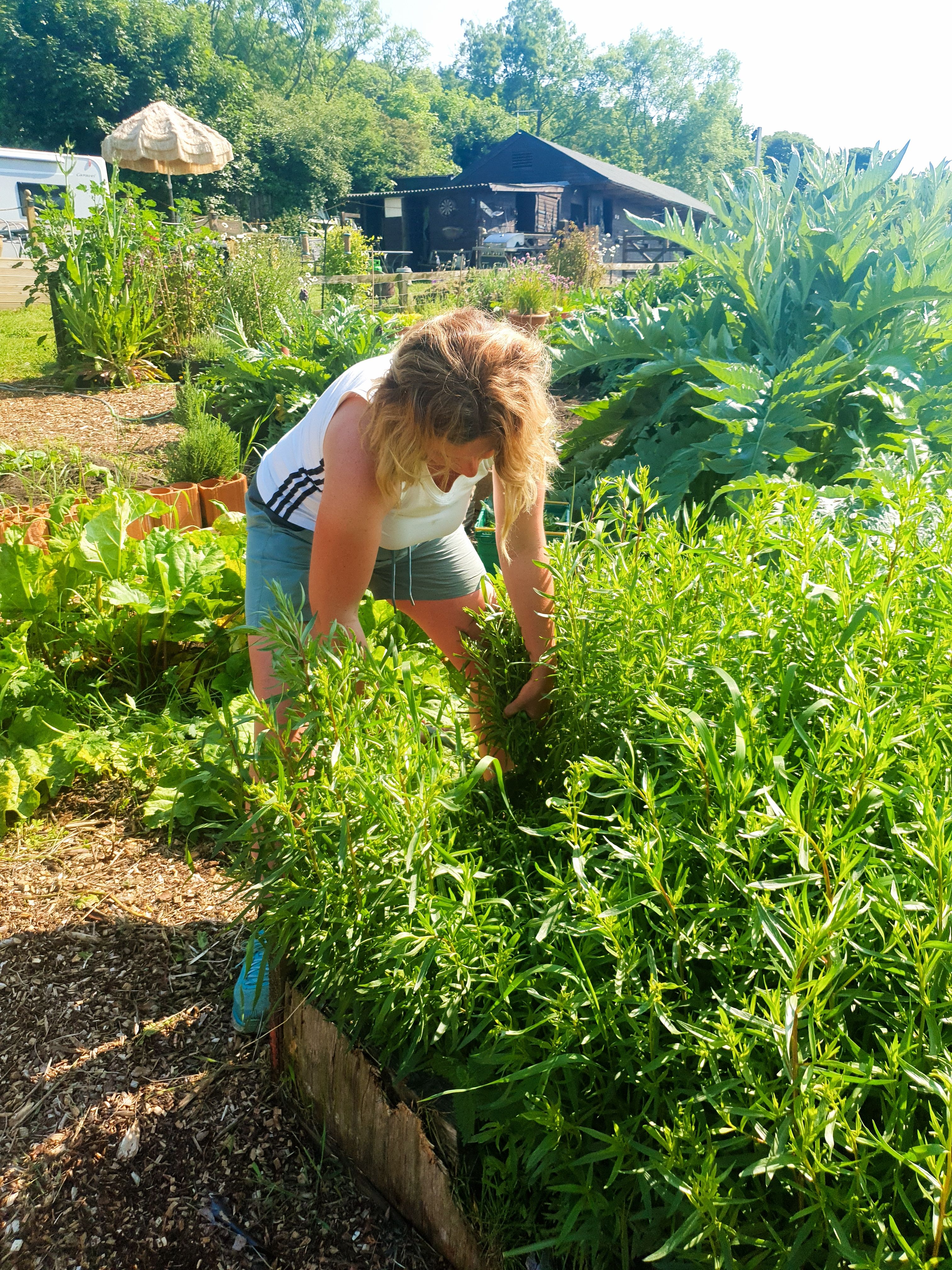
Growing Globe Artichokes has become somewhat of an obsession for Laura - they provide beautiful structure to the veg plots, are an interesting & more challenging vegetable to eat, and when left to flower for the bees, they are a very good source of food for pollinators. We leave the seed heads to tower above the veg plots when not picked until long into the Autumn/Winter months providing food for the birds. They are a relatively easy crop to grow, coming back every year. We mulch well at least once per year, helping to both feed them and stop them from drying out in prolonged dry periods as they require a lot of water. They seem to love the spot we've chosen for them at The Paddock and have become very much a spectacle for anyone visiting from June onwards. Pictured behind Laura here is a cardoon, this one isn't growing for culinary purposes, it is purely decorative. The many thistle like heads are an excellent source of food for pollinators, however during Victorian times, the stems were blanched & eaten like celery, but you don't eat the heads of this one like the globe artichoke.
The obsession with globe artichokes for me began when a friend gave me a few spare seedlings from her allotment. The veg plots at the time were very much being developed & I decided to try planting the three seedlings (two of which we still have today), at the far end of the plots. I knew they could grow to be very tall & were good for the bees, but I really didn't know too much else about them. Knowing that were a useful plant for creating structure, I thought if nothing else they would give us a real point of interest on the veg plots. They have certainly done that over the years, not only being a really productive crop, but fascinating everyone who visits The Paddock Smallholding. Delighted with how successful the first few plants were, I continued to add to the crop over coming years & we now have 15 or so very productive plants along with the huge cardoon pictured above which reaches around 2.5 metres high in it's height in Summer.
The crop comes back each year with a good mulch, usually in Autumn & Spring. We tidy up the outer bottom leaves as they begin to yellow, and cut down the flower stems right to ground in late Winter, once the birds have had the opportunity to enjoy the seed heads. There is no better sight than mid summer watching these towering beauties buzzing with bees, so whilst we do sell some of our globe artichoke heads for food, we also make sure we leave some for the bees to enjoy too! You'll find the globe artichokes we grow listed on the website from mid June. Laura x

© 2026 - The Paddock
Powered by
